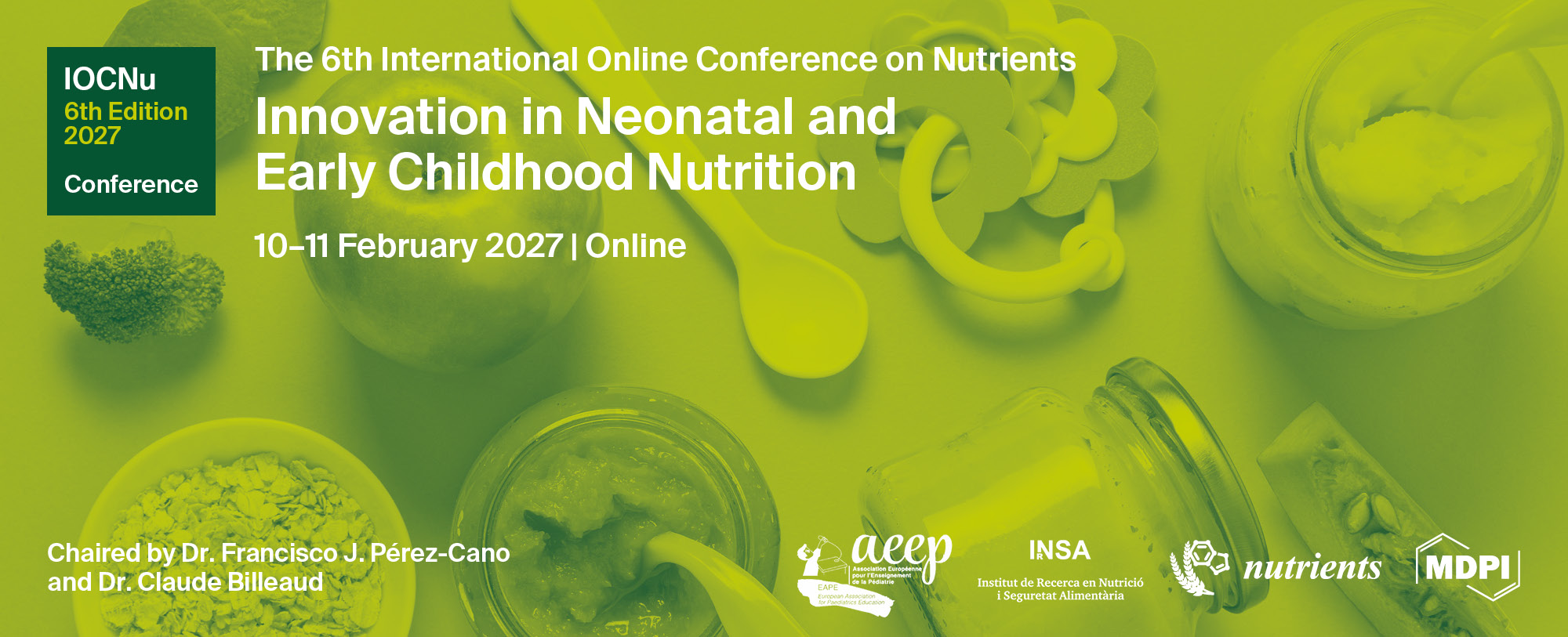
The 6th International Online Conference on Nutrients
Innovations in Neonatal and Early Childhood Nutrition
The IOCNu 2027 is Now OPEN for Abstract Submission and Registration, which are
free of charge for all participants.

Instructions for authors are available online.
Submit your abstracts HERE.

For any inquiries, please contact us at iocnu2027@mdpi.com.
the chairs
S1. Human Milk Composition and Its Role in Infant Development;
S2. Innovations in Lipid Nutrition for Neonates and Young Children;
S3. Protein Quality and Its Impact on Early Childhood Nutrition;
S4. Carbohydrates and Oligosaccharides in Early Nutrition;
S5. Micronutrients, Antioxidants, and Microbiota in Infant Health;
S6. Feeding Practices for Preterm and Term Infants.
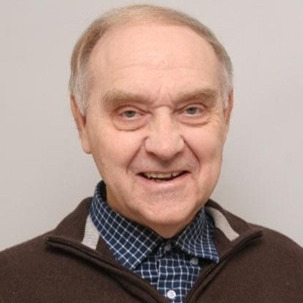
Dr. Claude Billeaud, Hôpital des Enfants, CHU Pellegrin, Bordeaux, France, European Association for Paediatrics Education CEO
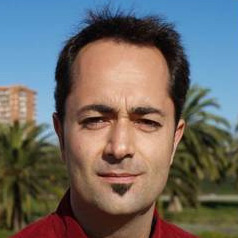
Dr. Francisco J. Pérez-Cano, University of Barcelona, Barcelona and Nutrition and Food Safety Research Institute (INSA), Spain


Meet the Event Chairs
Important Dates

- Abstract submission deadlineOct 12, 2026
- Abstract acceptance notificationNov 10, 2026
Meet Our Speakers
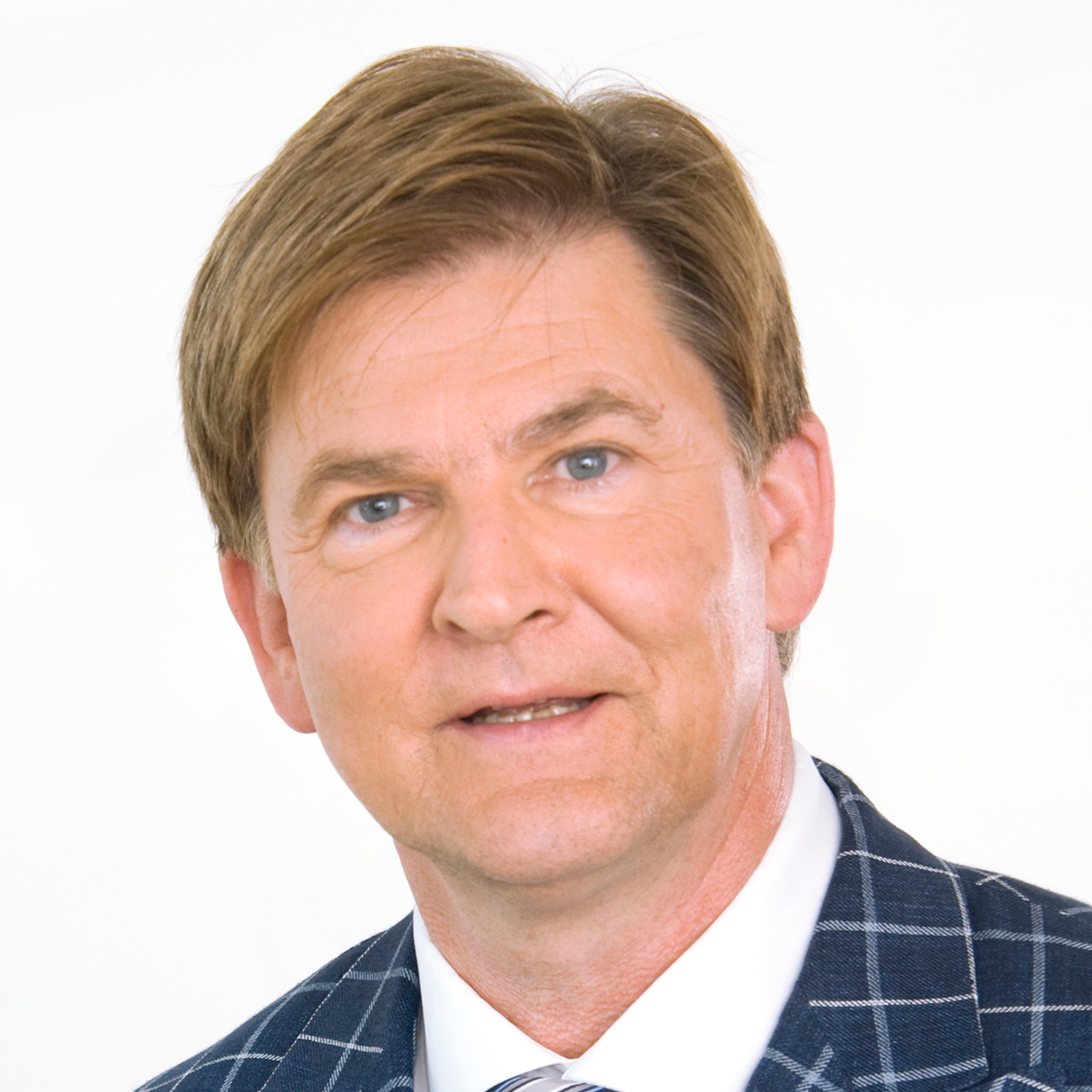
Prof. Dr. Bodo Melnik
Department of Dermatology, Environmental Medicine and Health Theory, University of Osnabrück, Osnabrück, Germany;
Bodo C. Melnik, MD, was born in 1956 in Arnsberg, Westphalia, Germany. He studied medicine between 1976 and 1982 at the University of Münster, where he also completed his doctoral thesis in 1982 on the role of lecithin-cholesterol acyltransferase in the interconversion of high-density lipoproteins at the Institute of Clinical Chemistry and Laboratory Medicine. From 1982 to 1984, he pursued a postdoctoral fellowship at the Gladstone Institutes within the Cardiovascular Research Institute at the University of California, San Francisco. He then specialized in dermatology between 1984 and 1990 at the Heinrich Heine University Düsseldorf. In 1989, he was awarded the Felix Hoppe-Seyler Prize by the German Society for Laboratory Medicine. Since 1991, he has been a Senior Lecturer at the Department of Dermatology, Environmental Medicine and Health Theory at the University of Osnabrück, where he became Assistant Professor in 1995. His scientific interests include epidermal and sebaceous lipid metabolism, lipoprotein metabolism, milk signaling, milk-regulated stem cell development, and early nutrition.
Assoc. Prof. Liza Konnikova
Department of Immunobiology, Yale University, New Haven, CT, USA, Neonatal-Perinatal Medicine, Department of Pediatrics, Yale University School of Medicine, New Haven, CT, USA, Center for Systems and Engineering Immunology, Yale University, New Haven, CT, USA, Department of Obstetrics, Gynecology, & Reproductive Sciences, Yale University School of Medicine, New Haven, CT, USA;
I am an Associate Professor of Pediatrics, Immunobiology and Reproductive Sciences at Yale School of Medicine, Yale University, New Haven, CT, USA.
The goal of our group is to define early life human immune development and to understand its dysregulation in disease. To that end, our group has made key contributions that have shifted the paradigm of how we think about early life immunity from an immature naïve state to a functional and specifically adapted one to the challenges of early life. To compliment these studies we use small intestinal organoids derived from tissue across the human lifespan (fetal to adult) to understand the effect of various environmental factors such as diet, metabolites, drugs, and microbiome on intestinal health through monitoring epithelial growth and differentiation.
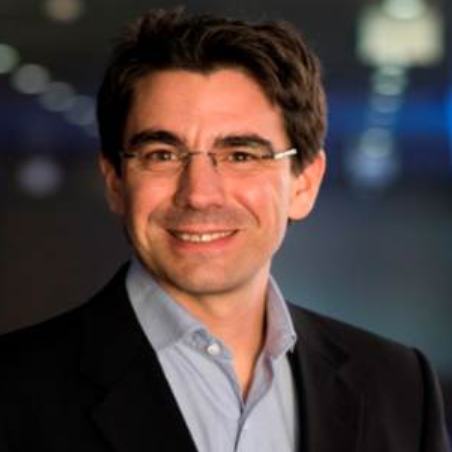
Dr. Frédéric Destaillats
Checkerspot Inc., Alameda, CA 9450, USA;
Frédéric Destaillats, PhD, holds the position of Vice-President at Checkerspot, a leading-edge biotechnology firm specializing in the innovative development and production of new fats and oils derived from microbial fermentation. Renowned for his expertise in human and animal nutrition, particularly in lipid science and technology, Frédéric earned his PhD from the University Laval in Québec, Canada. With more than twenty years of experience in translational research within the industry, he has made significant contributions, evident in his extensive publication record comprising approximately 100 peer-reviewed scientific papers and over 50 patents.
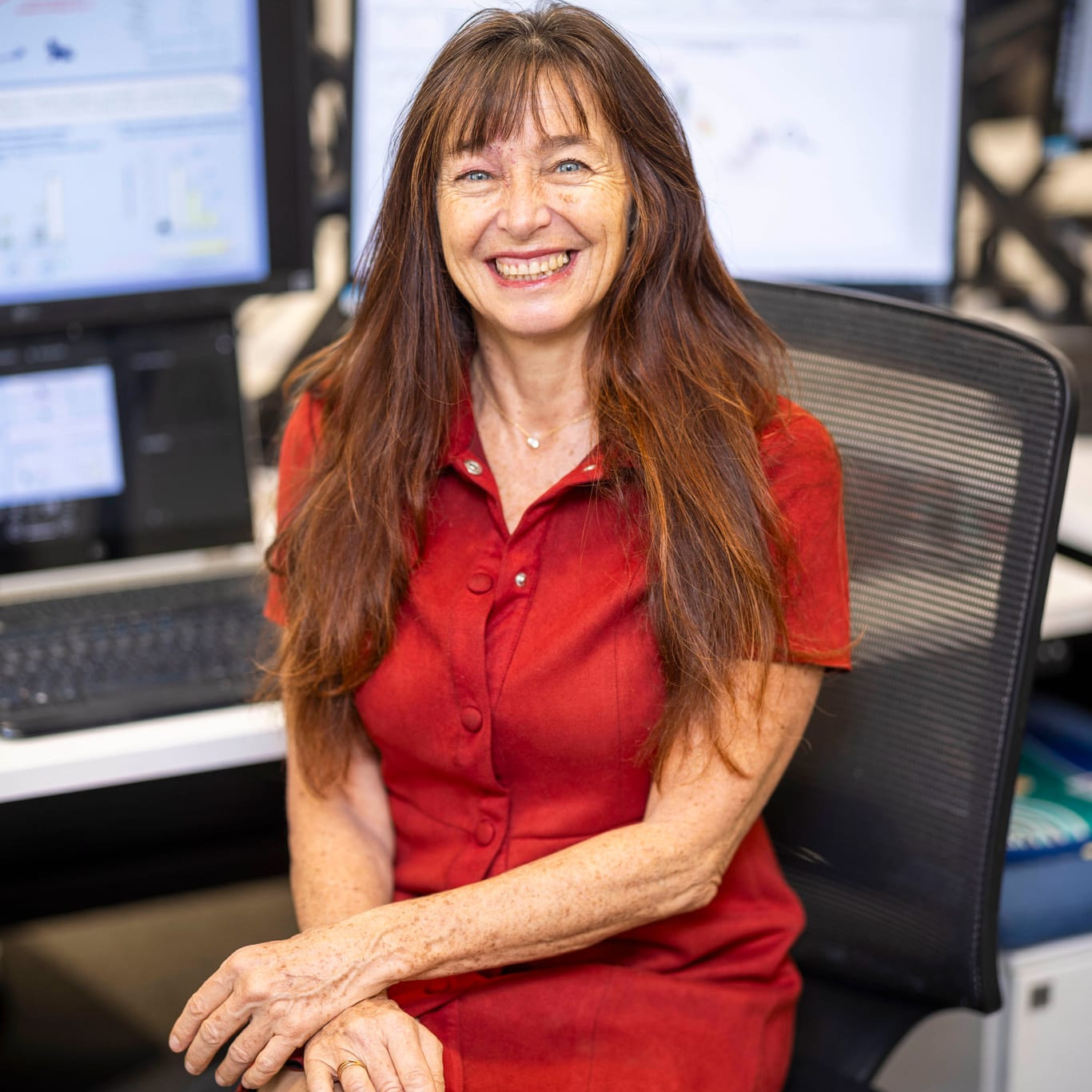
Prof. Dr. Valerie Verhasselt
Larsson Rosenquist Foundation - Centre for Immunology and Breastfeeding, The University of Western Australia and The Kids Research Institute, Perth, Australia;
Professor Valerie Verhasselt, MD, PhD is passionate about learning from nature to find the best solutions for promoting healthy development. With a background in medicine and over 20 years of research in immunology, she leads the world's first Larsson-Rosenquist Foundation Centre for Immunology and Breastfeeding at the University of Western Australia and The Kids Research Institute Australia.
She pioneered the concept of educating the infant's immune system through breastfeeding, with important implications for maternal recommendations for the long-term promotion of child health through breast milk. Her studies have contributed to changes in feeding guidelines for the prevention of food allergy by the European Academy of Allergy and Clinical Immunology. She is exploring a potential game changer in the field of vaccination – her research provides evidence that breastfeeding may be a natural and very effective way to immunise children and protect them against infectious diseases, including malaria, one of the world's most serious public health problems. Her research is also investigating the long-term health benefits of colostrum, a critical finding as over one-third of newborns worldwide lack optimal colostrum feeding, with potential impacts on healthcare policies and resources for early breastfeeding support.
With more than 100 publications, many in top-ranked journals, and as a frequent speaker at international conferences, Professor Verhasselt is a leading voice on the uniqueness of the neonatal immune system and the essential role of human milk in its development. Professor Verhasselt is a leading voice on the uniqueness of the newborn immune system and the essential role of human milk in its development. She believes that understanding how breast milk shapes early immune foundations will empower healthcare professionals to offer infant-tailored strategies that promote lifelong health.

Prof. Dr. Umberto Simeoni
Department Woman-Mother-Child, Division of Pediatrics, Lausanne University Hospital and University of Lausanne, Lausanne, Switzerland;
Umberto Simeoni’s research investigates the mechanisms by which environmental and behavioural factors condition health, chronic diseases, and aging throughout the lifespan, with a particular emphasis on the role of epigenetics in the control of senescence. Umberto has held academic and leadership positions as a professor of paediatrics at Louis Pasteur University and University Hospital of Strasbourg, France, as well as Aix-Marseille University and AP-HM University Hospital, before joining the University and University Hospital of Lausanne, Switzerland, as head of Paediatrics and of the DOHaD Research Laboratory. He has authored numerous articles in peer-reviewed, referenced journals and invited lectures at national and international conferences. Umberto has also served as President of organizations such as the European Association of Perinatal Medicine, Francophone Society for Neonatal Research, French Society of Perinatal Medicine, and the Francophone Society DOHaD, the latter of which he co-founded.
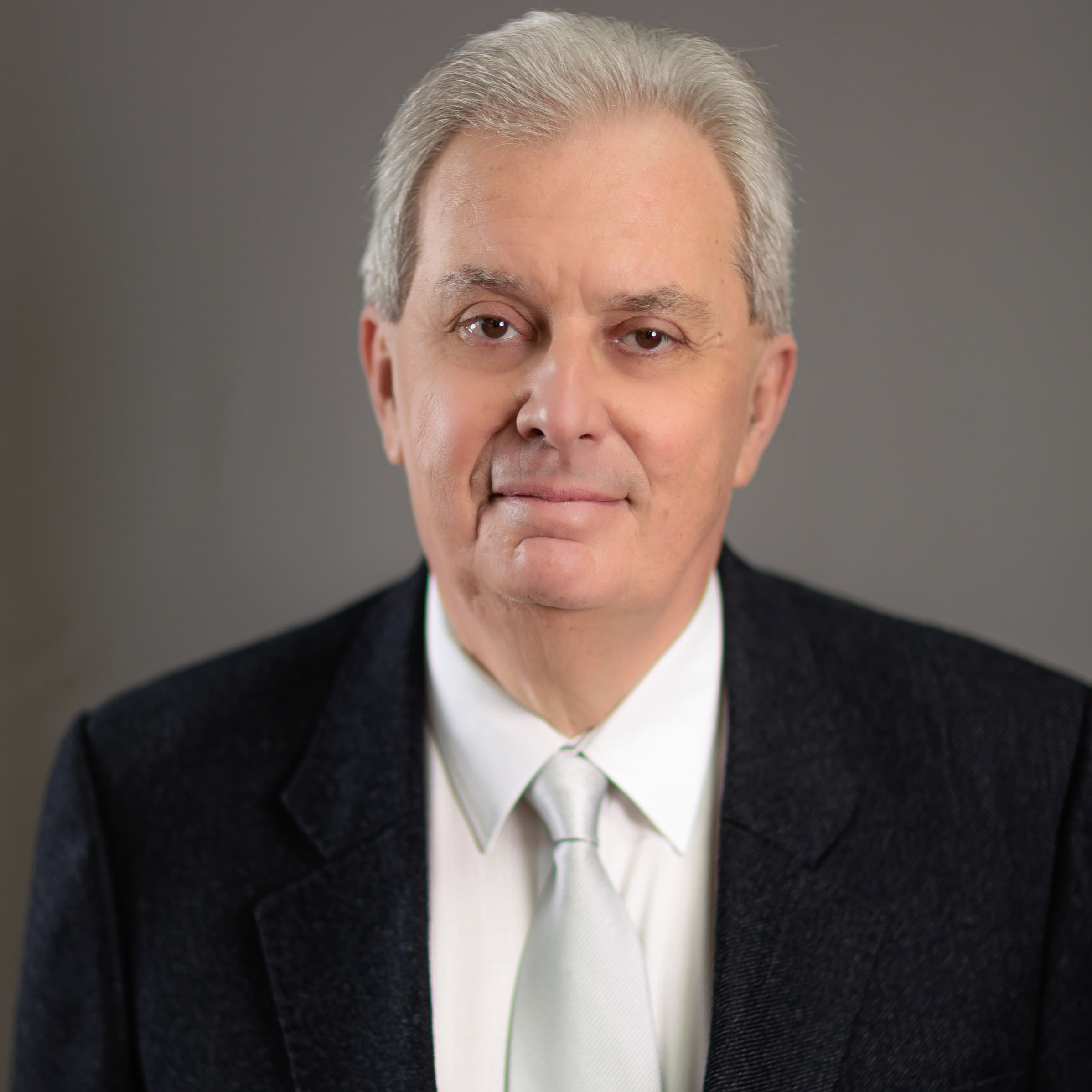
Prof. Dr. Tamás Decsi
Department of Paediatrics, University of Pécs, Pécs, Hungary;
Tamás Decsi works as professor of paediatrics at the University of Pécs, Pécs, Hungary. He has been serving as head of the Department of Paediatrics for more than 10 years. His scientific interest is nutrition and metabolism, with emphasis on the question of the role of long-chain polyunsaturated fatty acids in infant nutrition.

Prof. Bing Wang
Gulbali Institute for Agriculture, Water and Environment, School of Agricultural, Environmental and Veterinary Science, Charles Sturt University, Wagga Wagga, Australia;
Professor Bing Wang received her medical degree from Tianjin Medical University, China, and a PhD in Nutritional Biochemistry from the University of Sydney, Australia. She has been a registered Nutritionist with the Nutrition Society of Australia (NSA) since 2008. Before joining Charles Sturt University in December 2012, she led Nutritional Neurodevelopment Research programs in both academia and industry. Her research focuses on elucidating the molecular mechanisms by which nutrient components influence metabolic responses critical for neurodevelopment and cognition from fetal stages to late life, with a strong emphasis on translating basic science into clinical and industrial applications. . Professor Wang is internationally recognised for her contributions to Pediatric Nutrition, Nutritional Glycoscience, and Nutritional Neurodevelopment, particularly for advancing understanding of the role of sialic acid in human nutrition. She was elected a Fellow of the NSA in 2023.
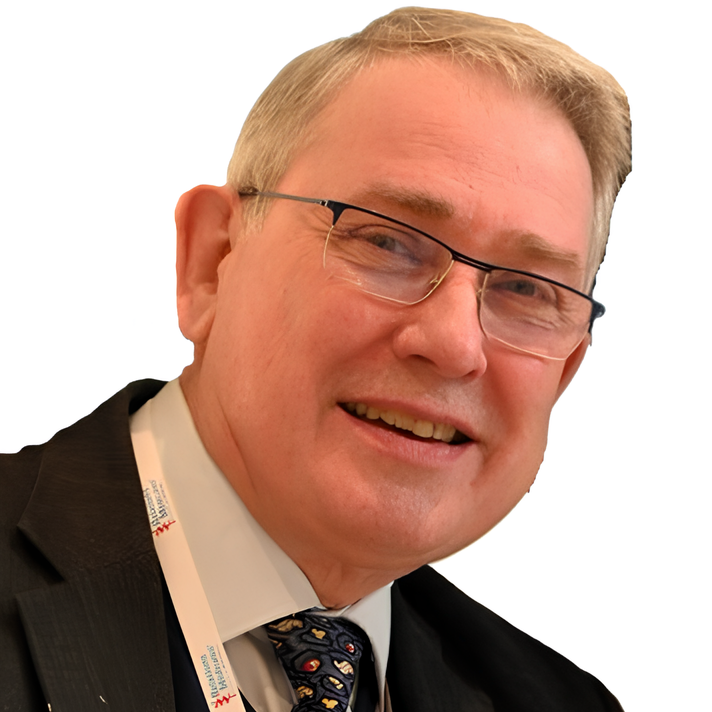
Prof. Jean-Michel Hascoët
Neonatology Department, Maternité Régionale Universitaire—CHRU Nancy, Nancy, France;
Professor Jean-Michel HASCOËT is Professor in Pediatrics - Neonatology, Director of the Research Unit DevAH (Développement, Adaptation et Handicap) Université de Lorraine; and University Internship Supervisor at the Division of Neonatology, Regional Maternity Hospital, CHRU NANCY - France He is an active Full Member of the French Académie Nationale de Médecine and an Honorary Member of the American Pediatric Society. Author or Co-author of about 200 peer-reviewed articles, nineteen book contributions and one book as co-editor, his H index is at 38 with more than 7,400 citations Professor HASCOËT is the Co-founder and coordinator of the French Board of Neonatology. He is an Associate Editor in Neonatology at Frontiers in Pediatrics and at Journal of Clinical Medicine. Professor HASCOËT research interests include neonatal nutrition, breastfeeding, developmental respiratory, hemodynamics, developmental pharmacology, neurodevelopmental outcome of prematurely born children, and public health. (https://devah.univ-lorraine.fr)
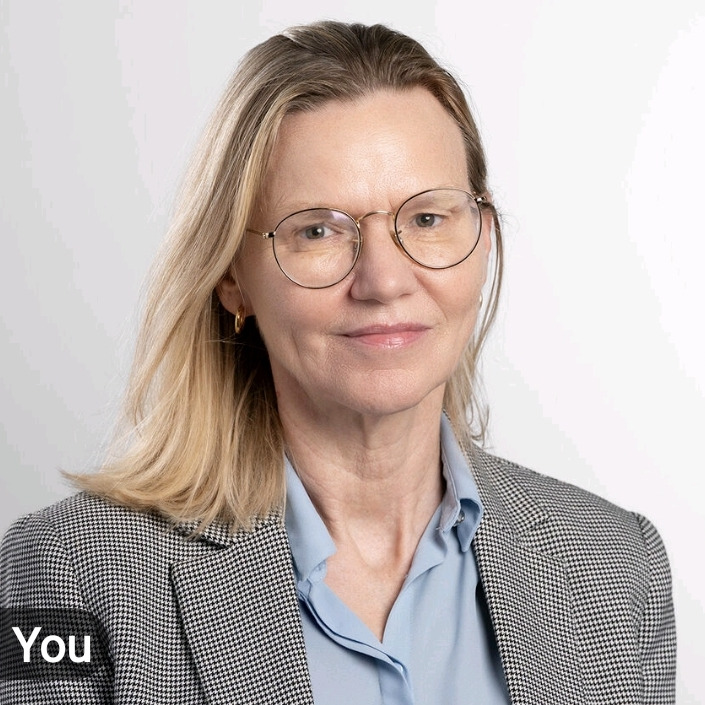
Prof. Dr. Charlotte Tscherning
Lausanne University Hospital, Lausanne, Switzerland;
Charlotte Tscherning, MD, PhD, is an internationally recognized neonatologist and Professor of Neonatology at CHUV in Lausanne, Switzerland. With more than 20 years of leadership experience across Europe and the Middle East, she is known for advancing family-centered neonatal care and improving outcomes for premature and critically ill newborns.
Her research focuses on neonatal nutrition and the bioactive properties of human breast milk, exploring how human milk supports immunity, growth, brain development, and long-term health in vulnerable infants. She has also contributed to research on parent-infant bonding, developmental care, and innovative approaches to neonatal medicine.
As a keynote speaker, Charlotte Tscherning combines scientific expertise, clinical leadership, and a passion for human-centered healthcare, offering inspiring insights on neonatal innovation, breast milk research, and the future of family-centered care.
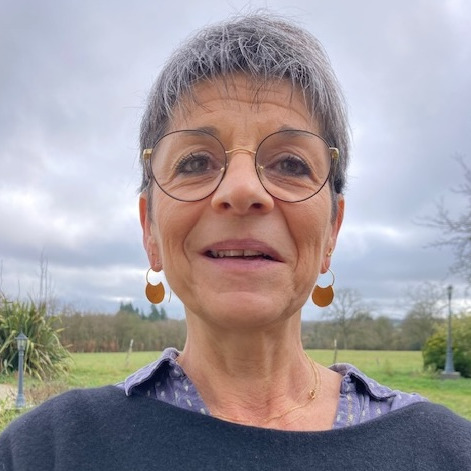
Prof. Delphine Mitanchez
Department of Neonatology, University Hospital, François Rabelais University, Tours, France, UMR 1280 PhAN-INRAE, University Hospital, Nantes, France;
Professor Delphine Mitanchez is a specialist in Pediatrics and a leader in Neonatology. She serves as a Full Professor at the University of Tours in France, and as the Head of the Neonatology Department at Bretonneau University Hospital in Tours. She is President of the French Society of Perinatal Medicine and a member of the board of the French Pediatric Society.
Her clinical expertise is centered on managing newborns with complex digestive malformations, neonatal dysglycemia, nutrition of preterm and severely growth restricted newborns. Alongside her hospital practice, her main research in line to the developmental origine of health and disease (DOHaD) and the first 1,000 days concept explores these topics, investigating the impact of maternal diabetes and obesity on fetal development and the long-term outcome of the offspring.
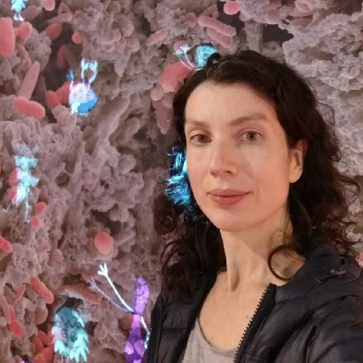
Dr. Muriel Derrien
Department of Microbiology and Immunology, Rega institute, KU Leuven - Campus Gasthuisberg, KU Leuven, Leuven, Belgium;
Dr. Muriel Derrien is scientist with over two decades of experience in gut microbiota research. Her PhD at Wageningen University contributed to the launch of Akkermansia muciniphila, a next-generation beneficial microbe. She continued her research on gut microbiota-host interactions during her postdoctoral work at the Top Institute in Food and Nutrition in the Netherlands, focusing on ecosystem-host interaction. In 2010, she joined Danone Nutricia Research in France, with the objective to translate microbiome science into applications for human health, implementing new research directions. She built new lines of research including adult-commensal bacteria as new probiotics, and additionally contributed to implementing more precise approaches taking into account of the gut microbiome through the study of intervention studies and population-based cohorts.. Since 2023, she has is a senior scientist at VIB-KU Leuven in Belgium (Jeroen Raes Lab), coordinating human-based studies to develop microbiome-targeted health strategies, including drugs, dietary components with sub-optimal microbiome configurations, and link them to mechanistic insight using in vitro an ex vivo approaches.
- S1. Human Milk Composition and Its Role in Infant Development
- S2. Innovations in Lipid Nutrition for Neonates and Young Children
- S3. Protein Quality and Its Impact on Early Childhood Nutrition
- S4. Carbohydrates and Oligosaccharides in Early Nutrition
- S5. Micronutrients, Antioxidants, and Microbiota in Infant Health
Sponsors and Partners
organizer


co-organizer
media partner




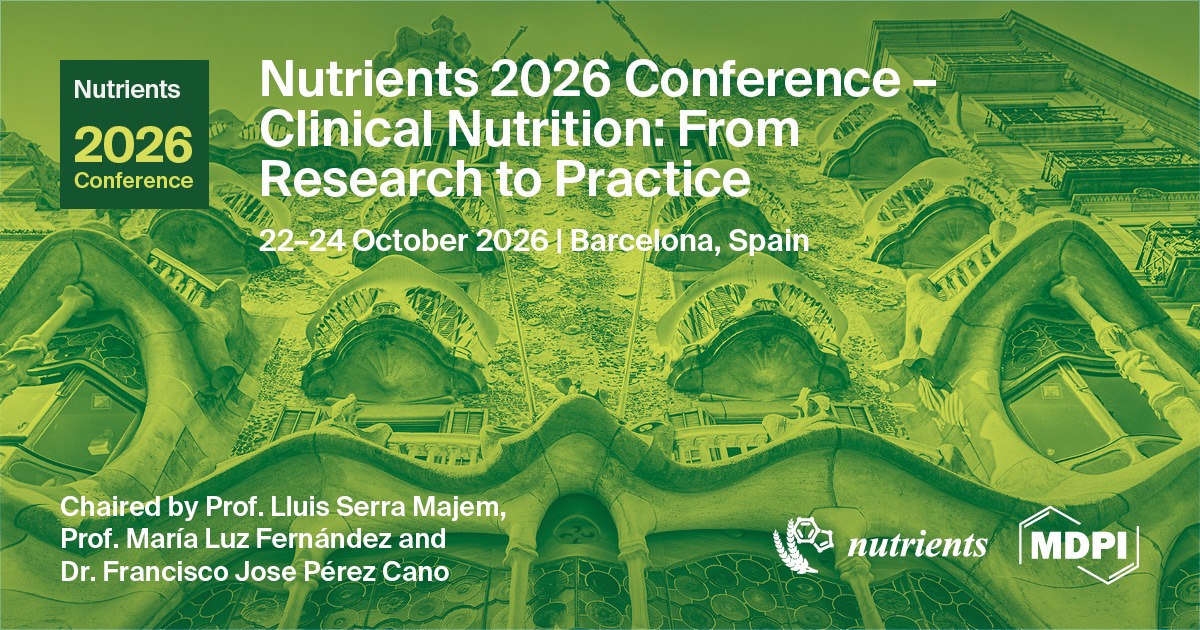
Nutrients 2026 - Clinical Nutrition: from Research to Practice
22-24 October 2026, Barcelona, Spain
Conference Website: https://sciforum.net/event/Nutrients2026
Ms. Ioana Vintila
Mr. Ionut Spatar
Mr. Russell Wang
Email: iocnu2027@mdpi.com
For inquiries regarding submissions and sponsorship opportunities, please feel free to contact us.