The 29th International Electronic Conference on Synthetic Organic Chemistry
the chair
General organic synthesis;
Chemistry of bioorganics, medicinal and natural products;
Polymers and supramolecular chemistry;
Computational chemistry.
Sincerely,
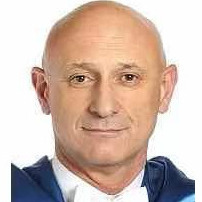
Dr. Julio A. Seijas
University of Santiago de Compostela, Spain
President of the 29th Electronic Conference on Synthetic Organic Chemistry (ECSOC-29)
Follow Us on Social Media:



Meet the Event Chair
Important Dates

- Abstract submission deadlineAug 08, 2025
- Abstract acceptance notificationAug 29, 2025
- Full file submission deadlineSep 29, 2025
Meet Our Speakers
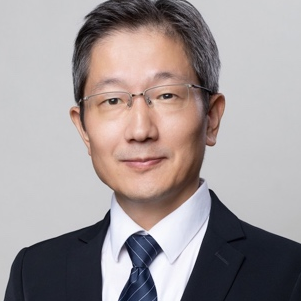
Prof. Dr. Hajime Hirao
The Chinese University of Hong Kong, China;

Prof. Dr. Josef Jampílek
Palacky University Olomouc, Czech Republic; Comenius University in Bratislava, Slovak Republic;
Josef Jampilek completed his Ph.D. degree in Medicinal Chemistry at the Faculty of Pharmacy of the Charles University (Czechia) in 2004. In 2004-2011, he worked in expert and managerial posts in the R&D Division of the pharmaceutical company Zentiva (Czechia). Prof. Jampilek deepened his professional knowledge at the Medicinal Chemistry Institute of the Heidelberg University (Germany) and at multiple specialized courses. In 2017, he was designated as a Full Professor of Medicinal Chemistry. He works at the Faculty of Natural Sciences of the Comenius University in Bratislava (Slovakia) and the Faculty of Science of the Palacky University in Olomouc (Czechia). In addition, he is a visiting professor at the University of Silesia in Katowice (Poland) and an invited professor/expert at various higher educational institutions. He is an author/co-author of more than 35 patents/patent applications, more than 290 peer-reviewed scientific publications, 7 textbooks, more than 50 chapters in monographs, and many invited lectures at international conferences and workshops. He also received several awards for his scientific results, e.g., from Aventis, Elsevier, Willey, Sanofi and FDA. Prof. Jampilek is also an editor, guest editor and member of the editorial boards of several renowned international scientific journals. The research interests of Prof. Jampilek include drug design, medicinal chemistry, chemical biology, as well as transport nanosystems, especially of anti-infective, anti-proliferative and anti-inflammatory agents and agrochemicals.
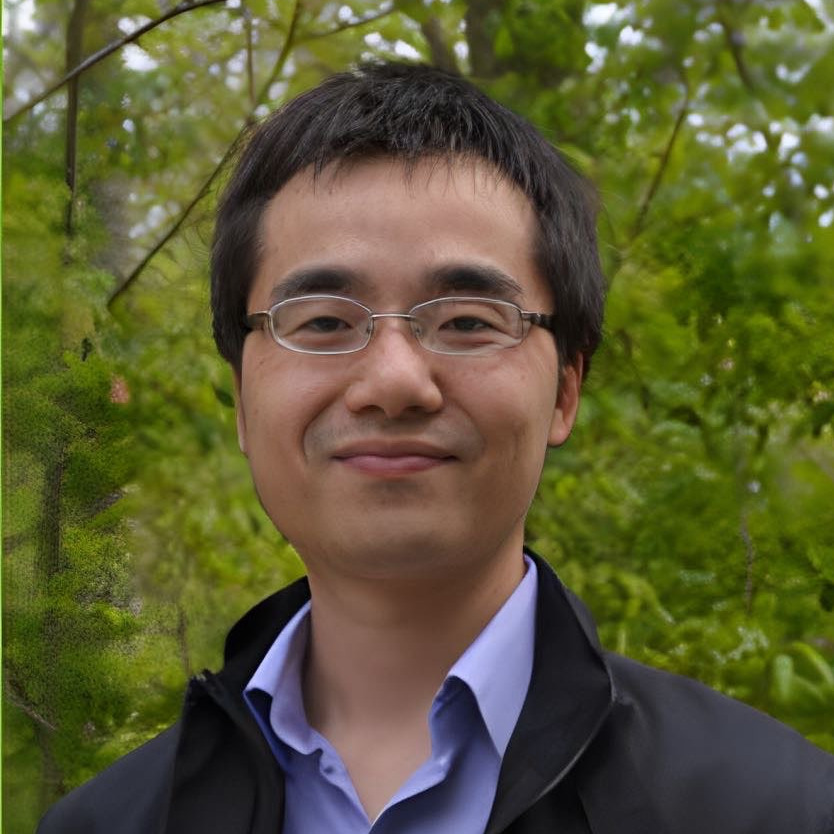
Prof. Dr. Lu Liu
East China Normal University, China;
Professor and PhD Supervisor at the School of Chemistry and Molecular Engineering, East China Normal University (ECNU), and Chair of the Organic Chemistry Department. Prof. Lu Liu graduated with a Bachelor’s degree in Science from the Department of Chemistry at ECNU in 2001 and a PhD in Science from the same department in 2010. From 2010 to 2013, he conducted postdoctoral research at the University of Miami, USA, and joined the Department of Chemistry at ECNU in July 2013. His research focuses on green organic synthesis chemistry. He has published over 60 papers in internationally renowned journals such as Chem. Soc. Rev., Nat. Commun., J. Am. Chem. Soc., Angew. Chem. Int. Ed., Chem. Sci., and ACS Catal., with an H-index of 29. He serves on the editorial board of the prestigious journal Molecules and is a member of the Expert Database of Science Popularization China. He has received funding from the Shanghai “Pujiang Talent Program” and has been awarded multiple grants from the National Natural Science Foundation of China (NSFC), including the “General Program” and the Shanghai Municipal Key Basic Research Project. He is the editor of the textbook Modern Organic Chemistry Experiments and teaches two courses, Organic Chemistry Experiments and Organic Chemistry, both of which are recognized as Shanghai’s first-class undergraduate courses. His honors include the Shanghai Pujiang Talent Program, ECNU Annual Undergraduate Teaching Contribution Award, ECNU Natural Science Second-Class Prize (first author), Second Prize in the Shanghai Teacher Wisdom Teaching Competition, recognition as one of the ChemComm Emerging Investigators by the Royal Society of Chemistry, ECNU Special Prize for Teaching Achievement (first author), ECNU Excellent Textbook Award, and the Shanghai Shenwan Hongyuan Teaching Award.
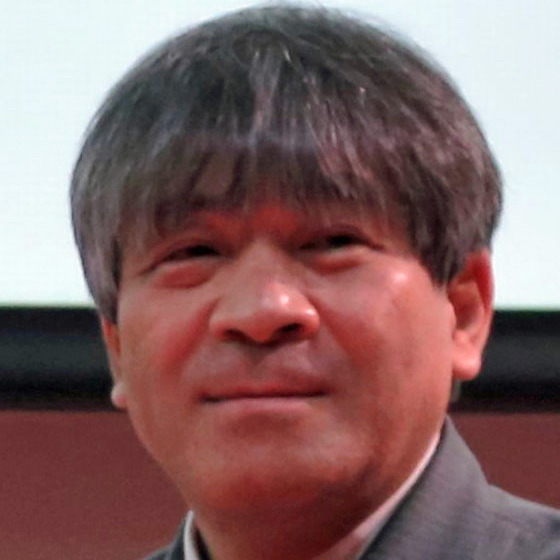
Prof. Dr. Kotohiro Nomura
Tokyo Metropolitan University, Japan;
Kotohiro Nomura has been a Professor at the Department of Chemistry, Graduate School of Science, Tokyo Metropolitan University since April 2010. He completed his M.S. studies at the University of Tokyo and joined Sumitomo Chemical Co., Ltd as a researcher. After receiving his Ph.D. at Osaka University (by thesis submission), he completed a postdoc at Massachusetts Institute of Technology. He served as an Associate Professor at Nara Institute of Science and Technology (1998-2009). He recently received the Catalysis Society of Japan Award (Academic field) from the Catalysis Society of Japan, in 2019, and The Japan Petroleum Institute Award in 2024, and The Society of Polymer Science Japan Award in 2024. He is also the Section Editor in Chief of Catalysts and a member of the Editorial Board of Molecular Catalysis, Catalysts, and Industrial Chemistry & Materials. His current research themes include (i) design and synthesis of efficient early transition metal catalysts for olefin polymerization, dimerization and metathesis reactions, (ii) synthesis of new functional polymers by catalyzed precision polymerization, and (iii) homogeneous catalysis for green and sustainable chemistry including chemical recycling.
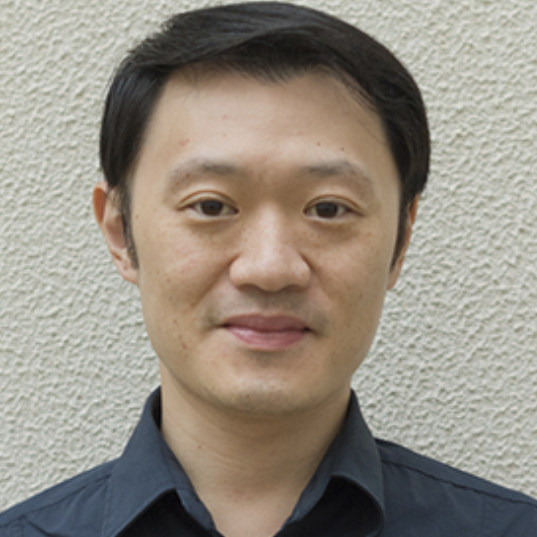
Prof. Dr. Ruilong Sheng
Universidade da Madeira, Portugal;
Ruilong Sheng received his B.Sc. degree (Biochemistry) in 2002 from South-central University for Nationalities, China. He obtained his Ph.D degree (Organic chemistry) in 2008 from the Technical Institute of Physics and Chemistry-University of Chinese Academy of Sciences, CAS. He proceeded with his postdoctoral research on organic-macromolecular chemistry and biomaterials from 2009 to 2011 and then worked as an associate research professor at Shanghai Institute of Organic Chemistry, CAS. Then he worked at Université de Montréal and McGill University, Canada from 2015 to 2017, as an invited scientist/professor. Then he joined CQM-Centro de Química da Madeira at Universidade da Madeira, Portugal (2017-now) as a Senior/Leading researcher (R4) and group leader.
- S1. General Organic Synthesis
- S2. Chemistry of Bioorganics, Medicinal and Natural Products
- S3. Polymers and Supramolecular Chemistry
- S4. Computational Chemistry
Sponsors and Partners
organizer

co-organizer
partnering society

media partner









The 29th International Electronic Conference on Synthetic Organic Chemistry (ECSOC-29) is CLOSED!
Thank you once again for being part of ECSOC-29. The Best Paper Awards and Best Poster Awards of ECSOC-29 has been announced HERE.
Publication Opportunities
1. Participants are invited to submit a full paper to a Special Issue of Molecules with a 20% discount on the article processing charge.
2. All accepted manuscripts (4–8 pages) will be published free of charge in Chemistry Proceedings (ISSN: 2673-4583).
We welcome all participants to contribute your work in ECSOC-30, which will be held on 5-19 November 2026.
Submit Your Abstract by 1 July 2026.
Register for free HERE.
------------------------------------------------------------------------------------------------------------------------------------------------------------------------------------
Looking ahead, we are pleased to announce an upcoming in-person conference organized by the journal Molecules—the 5th Molecules Medicinal Chemistry Symposium (MMCS 2026) on the theme “New Trends in Chemical Biology and Drug Discovery”. The symposium will be chaired by Prof. Dr. Xiaoguang Lei (Peking University, China) and Prof. Dr. Diego Muñoz-Torrero (University of Barcelona, Spain), and will be held onsite in Beijing, China, from 14 to 17 May 2026. We would be honored to have your continued involvement.
After careful deliberation and on behalf of the event chair and scientific committee of ECSOC-29, we are pleased to announce the winners of the Best Paper Award and Best Poster Award.
Congratulations on the outstanding submissions!
We will be directly contacting the selected winners regarding the next steps. Please note that we will be emailing the "submitting users" for each of the awarded sciforum IDs.
The Best Paper Award has been awarded to:
|
Sciforum ID |
Title and Link |
Authors |
| sciforum-143786 | Photoelectroactive Corrole Monomer Functionalized with a Triphenylamine–Chalcone Derivative: Synthesis, Electropolymerization, and Electrochromic Applications https://sciforum.net/paper/view/26913 |
Elizabeth Bermudez Prieto
Edwin Javier Gónzalez López Claudia Solis Andres Calosso Luis Otero Edgardo Néstor Durantini Lorena Macor Miguel Gervaldo Daniel Alejandro Heredia |
| sciforum-135666 | Catalytic synthesis of versatile chiral heterocycles: en route to gamma-amino acid derivatives https://sciforum.net/paper/view/26715 |
Paul Joël Henry |
| sciforum-143775 | Sustainable synthesis of vinyl sulfones using copper catalysis https://sciforum.net/paper/view/26896 |
Dawid Halka Ignacio Padrón Barber Amparo Luna Costales Pedro Almendros Requena |
| sciforum-140719 | Sustainable Conjugated Polymer Synthesis in OPV: A Case Study from Conventional to Flow and Microwave-Assisted Synthesis https://sciforum.net/paper/view/26719 |
Francesca VILLAFIORITA-MONTELEONE Benedetta Maria SQUEO Federico Turco Antonella Caterina Boccia Alberto GIACOMETTI-SCHIERONI Daniele Piovani Mariacecilia Pasini Stefania Zappia |
The Best Poster Award has been awarded to:
|
Sciforum ID |
Title and Link |
Authors |
|
sciforum-138040 |
Synthesis and Characterization of a Cationic BODIPY-Conjugated Polymer as a Fluorescent Probe for Bacterial Sensing |
Carolina del Pilar Urquiza |
|
sciforum-137374 |
Polymeric Micelles as Smart Nanocarriers in Photodynamic Cancer Therapy |
Kanako Taguchi |
Multi-target Anti-infective Cinnamamides
Prof. Dr. Josef Jampílek
Palacky University Olomouc, Czech Republic;
Comenius University in Bratislava, Slovak Republic
Description
The increasing microbial burden, the development of antimicrobial resistance (AMR), the increasing number of zoonoses and the decreasing immunity of the population pose a major threat to human health worldwide. In addition to the increased risk of patient mortality, AMR represents longer hospitalization and increased healthcare costs. To overcome this undesirable situation, it is necessary to design new entities with new/innovative mechanisms of action. Natural compounds with multiple effects are currently of particular interest for drug design, and among these compounds, cinnamic acid has a long history of use in humans for various purposes, therefore cinnamic acid-based agents are promising compounds with great potential for the design/development of new drugs. This research focuses on the design of multi-targeted anti-infective agents, whose biological activity is based on the presence of amide and/or carbamate groups and (hetero)aromatic rings linked by these groups, which are substituted with lipophilic and often electron-withdrawing substituents, so that these designed agents can be considered as so-called Michael acceptors. Optimization of proposed anti-infective agents based on the ring-substituted (E)-prop-1-en-1-ylbenzene scaffold resulted in highly potent anilides derived from ring-substituted cinnamic acid. This contribution discusses the rational design of ring-substituted cinnamic acid derivatives with significant activity against Gram-positive and mycobacterial strains. In addition, it was observed that many antimycobacterial active compounds also exhibit antimalarial activity. Chemoprotemic studies and docking provided partial insight into the predicted mechanisms of actions of the most potent compounds.
Recyclable Biobased Polyesters, and Exclusive Chemical Recycling, Upcycling
Prof. Dr. Kotohiro Nomura
Tokyo Metropolitan University, Japan
Description
Development of functional polymers from renewable feedstocks, sustainable alternatives from fossil oil, has been recognized as an important subject in the field of polymer chemistry and green sustainable chemistry. Polyesters derived from plant resources (biobased polyesters) attract considerable attention in terms of circular economy due to facile ability of chemical recycling (through transesterification etc.) than conventional polyolefins. This paper focused on synthesis of biobased aliphatic polyesters by acyclic diene metathesis (ADMET) polymerization and the subsequent hydrogenation, in particular we developed synthesis of high molecular weight polyesters by adopting the polymerization using molybdenum-alkylidene catalysts or ruthenium-carbene catalysts in ionic liquid. The tensile properties (tensile strength and elongation break) in the resultant polymer films increased upon increase in the Mn value, and the polymer films prepared with high molecular weight samples (Mn = 40,000-50,000) exhibit better tensile properties than conventional polyolefins.
We developed new catalysts for acid-, base-free depolymerization of various polyesters (the resultant polyesters described above, PET, PBT, PEA, PBT) by transesterification with alcohol. These depolymerizations proceed with exclusive selectivity without accompanying by-products and the method enabled polyesters to convert to starting monomers in exclusive selectivity, yields. Various alcohols can be used and the method thus enabled to proceed one-pot closed-loop chemical recycling through depolymerization‒repolymerization; the catalysts are also effective for the depolymerization with amines (aminolysis). The method can be thus applied to chemical recycling of not only PET bottles, but also textile waste and selective chemical recycling of polyester from a plastic waste mixture.
Computational Studies on Cytochrome P450: Drug Metabolism and Bonding Characteristics
Prof. Dr. Hajime Hirao
The Chinese University of Hong Kong, China
Description
Cytochrome P450 enzymes (P450s) play critical physiological and pharmacological roles in the human body, with significant implications across various scientific fields. In particular, their central role in drug metabolism underscores their strong relevance to human health. Physics-based computational approaches are expected to play a key role in elucidating their metabolic mechanisms. However, to date, only a limited number of studies have addressed this topic, especially through the use of hybrid quantum mechanics/molecular mechanics (QM/MM) calculations, highlighting the need for continued investigation. In recent years, we have actively pursued this challenge by studying P450-catalyzed transformations of structurally complex drug compounds in the context of drug metabolism. We are also interested in exploring the fundamental aspects of P450 reactivity and bonding using a range of theoretical approaches, including valence bond (VB) theory with consideration of oriented external electric field (OEEF) effects. In this presentation, I will discuss our recent findings in these areas.
Natural Steroid-Based Supramolecular Systems for Covalent & Non-Covalent Drug Delivery
Prof. Dr. Ruilong Sheng
Universidade da Madeira, Portugal
Description
In the past decade, my research team carried out systematic work on the natural product-based organic supramolecular chemistry, a series of natural steroid-based supramolecular systems were developed for covalent and non-covalent drug delivery applications. For covalent drug delivery, herein, a cholesterol–doxorubicin conjugate (Chol-Dox) was synthesized via phosgene- or 4-nitrophenyl chloroformate activation and self-assembled with TPGS into nanoparticles (140–220 nm) exhibiting enhanced breast cancer inhibition through lysosome-dependent mechanisms. For non-covalent drug delivery, a cholesterol glycopolymer-based supramolecular system, PMAgala-b-P(MAA-co-MAChol) was synthesized, which could be self-assembled into pH-responsive Dox-loaded nanomicelles. The micelles could enter H4 cells via clathrin/caveolae-mediated endocytosis and they triggered autophagy, which could be inhibited by 3-MA and HCQ with synergistic effects quantified using Bliss independent analysis. Taken together, both the covalent and non-covalent steroid/cholesterol-based supramolecular systems could be employed as smart, tunable and biocompatible drug delivery nano-platforms for cancer chemotherapy.
Precise synthesis via carbene transfer reaction
Prof. Dr. Lu Liu
East China Normal University, China
Description
Carbenes, which serve as a highly reactive intermediates, are widely employed in diverse organic transformations. Our research focuses on generating carbenes or related species from diazo compounds through various conditions such as transition metal catalysis and photochemical activation. These reactive intermediates can serve as versatile C1-C4 synthons for precise insertion reactions into inert σ-bonds, including challenging C-H, C-C, and C-N bonds, offering atom-economical routes to complex molecular architectures.
In previous work, we utilized diazo esters as carbene precursors to achieve a series of chemo- and regioselective C-H functionalization reactions of arenes and heteroarenes. By developing gold/chiral phosphiric catalysts, we successfully controlled the stereoselectivity of these transformations, enabling asymmetric synthesis of valuable chiral building blocks. Recently, we have shifted our focus to transformations involving diazo ketones, which present unique reactivity profiles. Compared to diazo esters, diazo ketones exhibit broader reactivity due to their capacity for intramolecular 1,2-migrations. However, this enhanced reactivity also demands more stringent control over reaction conditions and catalyst design to achieve selective transformations.Through controlling the catalytic species, we have demonstrated that metal carbenes derived from alkynyl diazo ketones can participate in insertion reactions as C3 and C4 synthons. Alternatively, diazo ketones undergo Wolff rearrangement to form ketene intermediates, enabling their use as C2, C3, and C4 synthons in diverse transformations.
For inquiries regarding submissions and registrations please contact our conference secretaries:
Ms. Alethea Liu
Ms. Ann Li
Ms. Cassia Mao
Email: ecsoc@mdpi.com