The 26th International Electronic Conference on Synthetic Organic Chemistry
ECSOC-26 is closed. Thank you for your participation.
The ECSOC-26 award winners have been announced at Event Awards.
The accepted papers will be published as one dedicated volume in the MDPI Chemistry Proceedings journal (ISSN: 2673-4583) after the conference.
All participants of ECSOC-26 are also welcomed to submit the extended work to the Molecules (Impact Factor 4.727) conference Special Issue with a 20% discount on the article processing charge.
the chair
Welcome to the 26th International Electronic Conference on Synthetic Organic Chemistry.
Electronic conferences on synthetic organic chemistry (ECSOC) are a series of conferences maintained through the internet since 1997, an original initiative by MDPI, and later consolidated with the contribution of the University of Santiago de Compostela (Spain). Nowadays it constitutes the first and oldest electronic conference in the world. It maintains its character of free participation, with contributions considered as preliminary reports on edge achievements, and registration as a distinctive standard of the world wide web open access character.
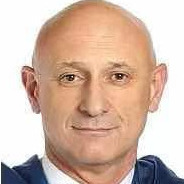
Meet the Event Chair
Important Dates

- Abstract submission deadlineSep 30, 2022
- Abstract acceptance notificationOct 08, 2022
- Full file submission deadlineOct 23, 2022
Meet Our Speakers
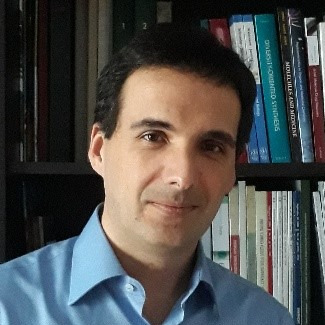
Prof. Andrea Trabocchi
Department of Chemistry “Ugo Schiff”, University of Florence, Italy;
Andrea Trabocchi is Associate Professor of Organic Chemistry at the University of Florence, Italy. He completed his PhD in Chemical Sciences at the University of Florence, a specialization in Clinical Biochemistry at the University of Rome-Tor Vergata, and received training on peptide chemistry at Imperial College, UK. Following post-doctoral activity at the University of Florence in combinatorial chemistry, he started an independent career at the same University with research interests in the fields of heterocyclic chemistry and small-molecule drug discovery. Medicinal chemistry projects involve peptidomimetic chemistry applied to oncology and infectious diseases, particularly focusing on the development of enzyme inhibitors. He is also involved in molecular imaging projects as the deputy director of a preclinical imaging center at the University of Florence. He has authored 96 papers and filed 4 patents on small-molecule synthesis and biomedical applications. Editorial appointments include three books on diversity-oriented synthesis, peptidomimetics, and small molecule drug discovery. He is an associate editor of Frontiers in Chemistry and a member of the editorial board of Molecules, Section Medicinal Chemistry.
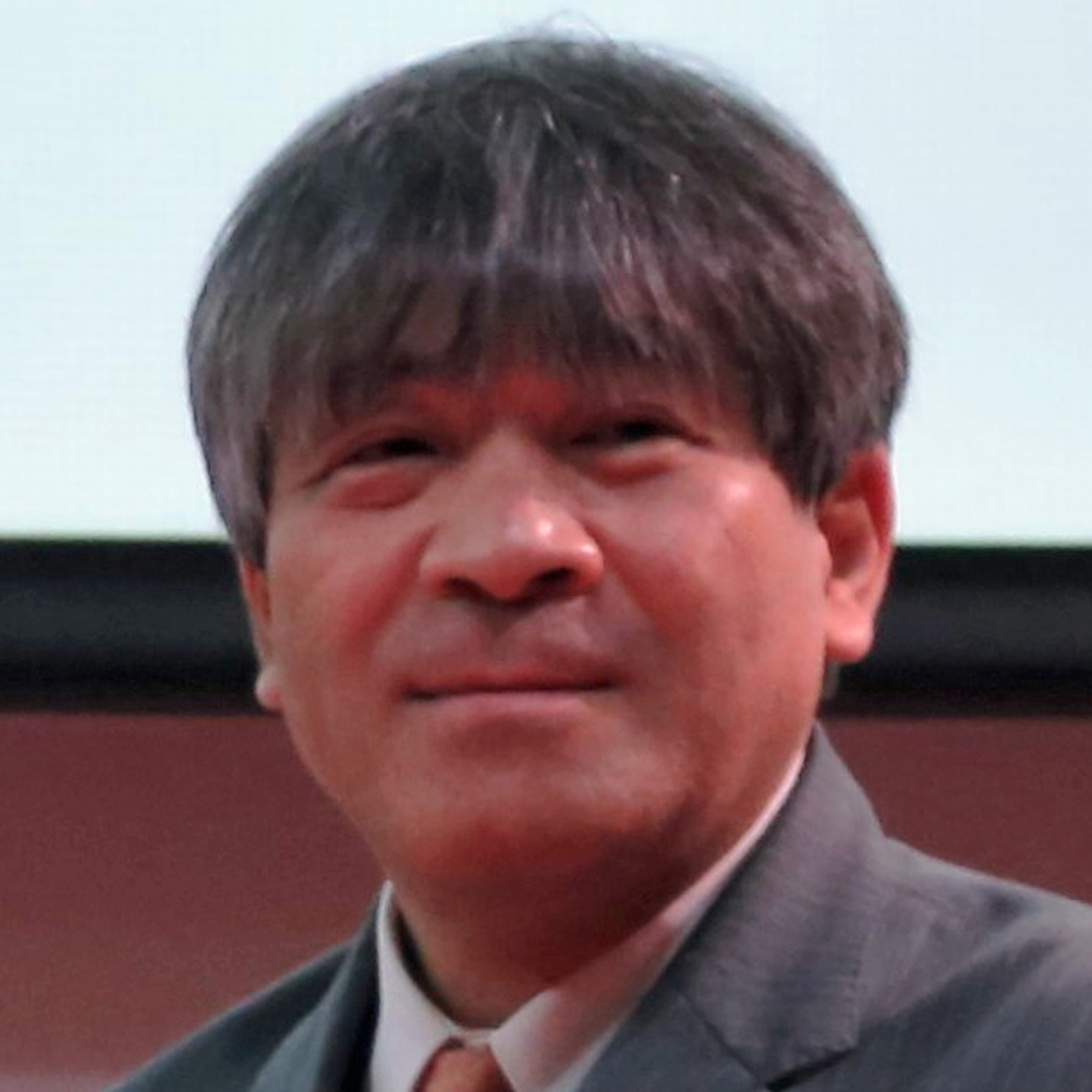
Prof. Dr. Kotohiro Nomura
Department of Chemistry, Graduate School of Science and Engineering, Tokyo Metropolitan University;
Kotohiro Nomura finished his master studies in University of Tokyo (Prof. Y. Saito), and then joined as a research scientist in Sumitomo Chemical Co., Ltd in 1988. He received his Ph.D. in 1993 from Osaka University (Prof. N. Sonoda), and joined Massachusetts Institute of Technology as a postdoctoral fellow (Prof. R. R. Schrock). He once returned Sumitomo, and became an associate professor in Nara Institute of Science and Technology in 1998. Since 2010, he has been a full professor in Tokyo Metropolitan University. He has co-authored more than 300 publications, and his recent research focuses on design of molecular catalysts (especially Ti, V, Nb) for efficient carbon-carbon bond formation, and chemospecific organic transformations. He received three major awards in Japan: The CSJ Award for Young Chemists in Technical Development (1996), Catalysis Society of Japan Award (Industrial field, 2001), and Catalysis Society of Japan Award (Academic field, 2019).
Dr. Haibo Ge
Department of Chemistry and Biochemistry, Texas Tech University, Lubbock, TX, USA;
Haibo Ge received his Ph.D. degree in Medicinal Chemistry from The University of Kansas in 2006 and then moved to The Scripps Research Institute for his postdoctoral study. He began his independent academic career at the Department of Chemistry and Chemical Biology at Indiana University—Purdue University Indianapolis in 2009 and relocated to the Department of Chemistry and Biochemistry at Texas Tech University in 2020. Research in his group is mainly focused on the development of novel methods for carbon–carbon and carbon–heteroatom bond formation reactions via transition-metal-catalyzed C–H functionalization.
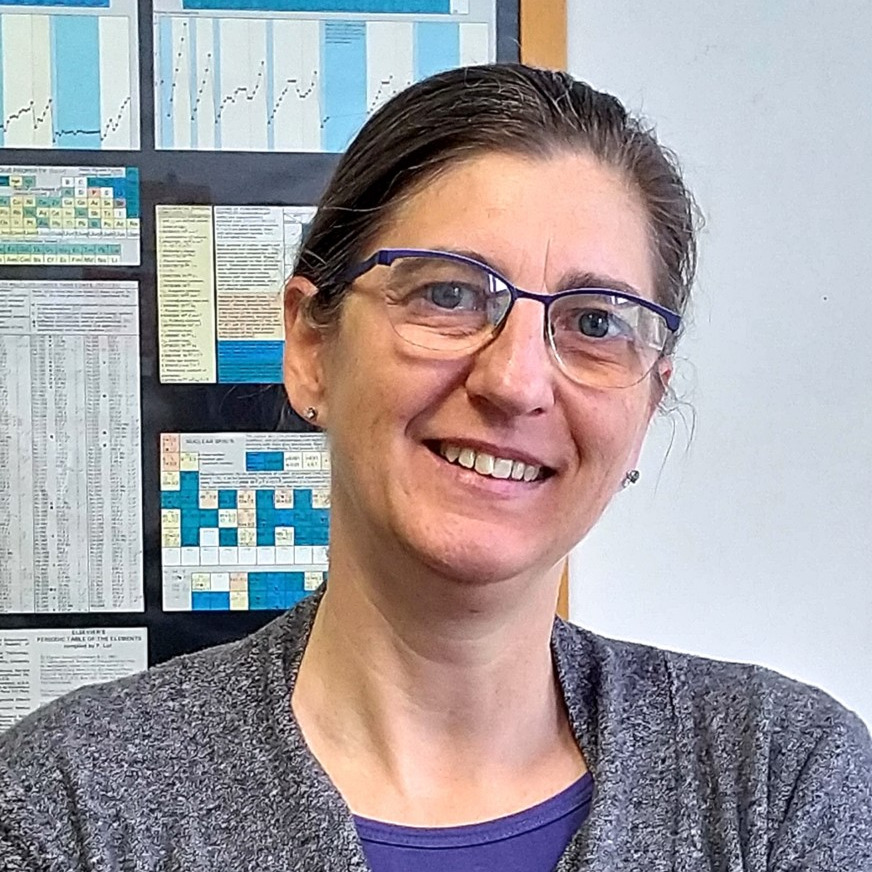
Prof. Dr. Marta Feroci
Department of Fundamental and Applied Sciences for Engineering, Sapienza Università di Roma, Rome, Italy;
Marta Feroci studied Chemistry at Sapienza University of Rome and completed her PhD in Organic Chemistry at the same university. She is a full professor of Chemistry at the Department of Fundamental and Applied Sciences for Engineering (SBAI) at Sapienza University. She is the author or co-author of more than 120 papers (Scopus; ORCID: 0000-0002-3673-6509). Her group’s main research topics are organic electrosynthesis, green synthetic methodologies (ionic liquids), electrogeneration of N-heterocyclic carbene from ionic liquids, and organocatalysis.
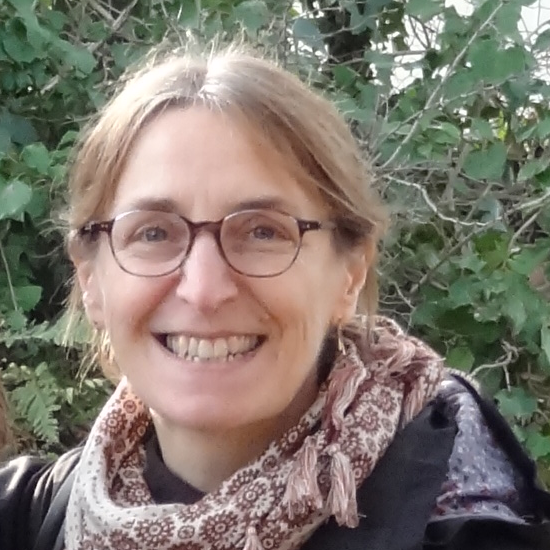
Prof. Dr. Florence Mongin
Rennes Institute of Chemical Sciences, Université de Rennes, France;
Florence Mongin obtained her Ph.D. in Chemistry in 1994 from the University of Rouen (France) under the supervision of Prof. Guy Queguiner. After a two-year stay at the Institute of Organic Chemistry of Lausanne (Switzerland) as a postdoctoral fellow with Prof. Manfred Schlosser, she returned to the University of Rouen as an Assistant Professor in 1997. She took up her present position in 2005 as Professor at the University of Rennes (France) and was appointed Junior Member of the Institut Universitaire de France from 2009 to 2014. She has co-authored about 160 papers. Her scientific interests include the functionalization of aromatic compounds with recourse to bimetallic bases or combinations (e.g. lithium-zinc and lithium-copper), notably derived from 2,2,6,6-tetramethylpiperidine. She is also involved in the development of synthetic approaches toward original polycyclic compounds possessing bioactivities.
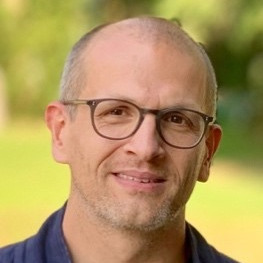
Prof. Dr. Mario Waser
Institute of Organic Chemistry
Johannes Kepler University Linz, Austria;
Mario Waser was born in Steyr, Austria in 1977 and studied chemistry at JKU Linz, Austria where he obtained his Ph.D. in 2005 in the group of Prof. Heinz Falk. After a postdoctoral stay with Prof. Alois Fürstner (Max-Planck Institut für Kohlenforschung, Mülheim, Germany), he spent two years as an R&D chemist working for DSM. In 2009 he started his independent career at JKU Linz and in 2014 he obtained his habilitation (venia docendi) and became Associate Professor. In 2020 he was promoted to Full Professor for Organic Stereochemistry and in 2021 he was appointed as the Head of the Institute of Organic Chemistry at JKU. His main research interests are on the design and application of asymmetric organocatalysts (i.e. quat. ammonium salt-based ion pairing catalysts) and on the development of asymmetric organocatalytic synthesis methods.
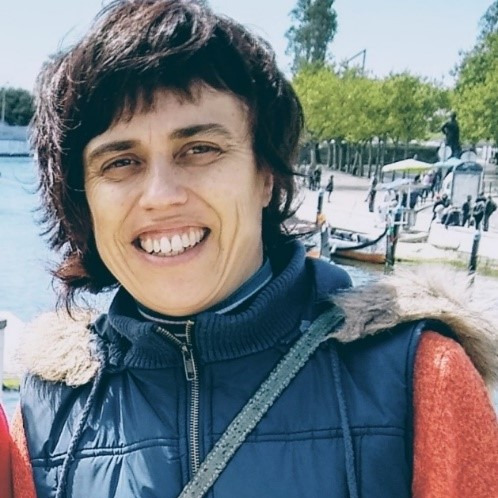
Dr. Ana Margarida Silva
LAQV/REQUIMTE, Department of Chemistry and Biochemistry, Faculty of Sciences, University of Porto, Portugal;
Dr. Ana M. G. Silva received her Ph.D. in Chemistry from UAveiro in 2002 and completed her graduation in Chemistry, Food Chemistry in 1997 at the same University. In 2003, she was awarded an FCT post-doctoral fellowship (SFRH/BPD/8374/2002) at UAveiro, where she acquired solid expertise in organic chemistry, particularly in porphyrin chemistry. During the Ph.D. and Post-doc periods, she carried out 3 internships with the research groups of Prof A. Dondoni (UFerrara, Italy) and Prof O. Kappe (UGraz, Austria), where she learned advanced strategies to synthesize carbohydrate derivatives and developed various microwave protocols related to the porphyrins derivatization. Since 2007, she holds a researcher position (with different contractual levels) at REQUIMTE, UPorto. While maintaining an interest in porphyrin chemistry, she started a new line of research dedicated to the synthesis, characterization, and development of strong bright xanthene fluorophores using sustainable chemistry approaches, for applications in medicine and environmental remediation.
She authored/co-authored more than 70 papers in international peer-review journals (h-index of 25 with 1582 total citations), 3 section(s) of books, 1 patent(s) registered, and gave more than 40 oral presentations to international/national meetings. In 2016 she was congratulated as a coordinator of the project M-ERA-NET/0005/2014. AMGS is a member of Sociedade Portuguesa de Química (SPQ) and the Society of Porphyrins and Phthalocyanines (SPP).
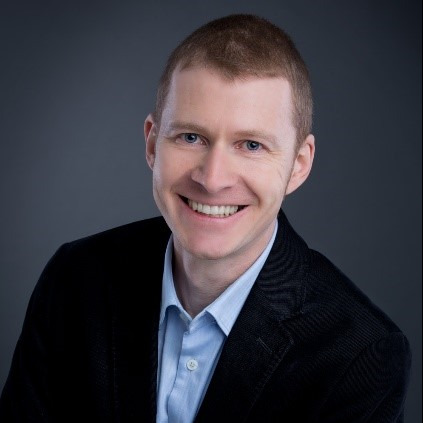
Prof. Dr. Philippe Compain
Laboratoire d'Innovation Moléculaire et Applications (UMR 7042), ECPM - CNRS, Université de Strasbourg, Université de Haute Alsace, France;
Pr. Philippe Compain received his Engineer degree in chemistry at CPE Lyon. In 1998, he was awarded the Dina Surdin Prize from the French Chemical Society for his Ph. D research on the synthesis of spiro alkaloids by way of 1,2-chirality transfer (group of Prof. J. Goré, University of Lyon I). After a postdoctoral stay at Montreal with Prof. S. Hanessian on hetero Diels-Alder reactions, he was appointed Chargé de Recherche (researcher) at CNRS in the group of Prof. O. R. Martin in Orléans. In 2008, he accepted a full professorship at the University of Strasbourg. He is now a Professor of Organic Chemistry at this University and at the European Engineering School of Chemistry, Polymers and Material Science (ECPM). His research interests span from the development of new synthetic methodologies to the synthesis of carbohydrate mimics of biological interest. He is co-editor of a book entitled Iminosugars: from synthesis to therapeutic applications (Wiley-VCH). In 2010, Pr. Compain has been made a Junior Member of the Institut Universitaire de France (IUF) and elected a Fellow of the Royal Society of Chemistry in 2016. He is currently Vice President of the Groupe Français des Glycosciences (GFG, the French network in Glycoscience).
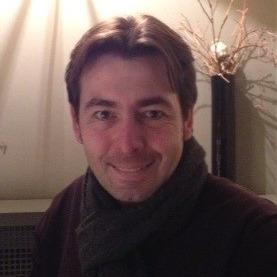
Prof. Dr. Philippe Zinck
UMR 8181, Unité de Catalyse et Chimie du Solide (UCCS), Univ. Lille, CNRS, Centrale Lille, Univ. Artois, France;
Philippe ZINCK graduated from the National Institute of Applied Science in Lyon in 1995, where he also obtained his Ph.D. in 1999. He was then awarded an individual Marie Curie Fellowship for a post-doctoral position at the Weizmann Institute of Science. After post-doctoral stays at the Polytechnic Federal School of Lausanne and at the Ecole Supérieure de Physique et Chimie Industrielles de la Ville de Paris, he joined the Unity of Catalysis and Solid State Chemistry, the University of Lille in 2004 where he is currently Professor. His research interests focus on polymerization and catalysis for functional and biobased polymers.
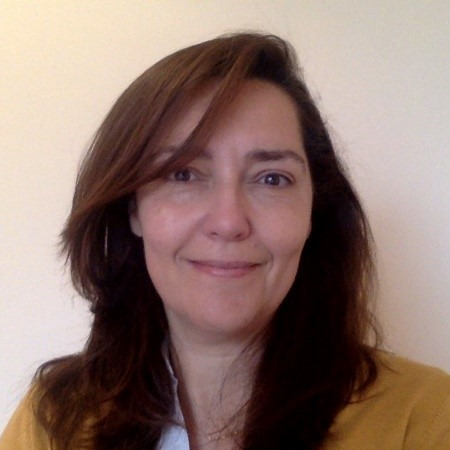
Dr. Susana Costa
Center of Chemistry (CQ), Campus of Gualtar, University of Minho, Braga, Portugal;
Susana Costa holds a Ph.D. in Sciences (Organic Chemistry) from the University of Minho since 1996. After a short period in industry and a post-doc at the Faculty of Pharmacy of the University of Porto, she returned to the University of Minho where she is currently an Assistant Professor and a researcher at the Centre of Chemistry. Her research interests include the synthesis and application of unnatural amino acids and peptides/peptidomimetics with biological activity (antimicrobial, antifungal, anti-inflammatory, immunomodulatory), the design and application of (photo)responsive and nanoconstructed drug delivery systems construction and targeted probes for therapy/medical bioimaging, and the development of heterocyclic optical probes for bio applications. She has co-authored over 100 articles in specialized journals (h-index = 29, Orcid: 0000-0001-7915-4720). She is a member of the Sociedade Portuguesa de Química (SPQ), American Chemical Society (ACS) and affiliated in IUPAC.
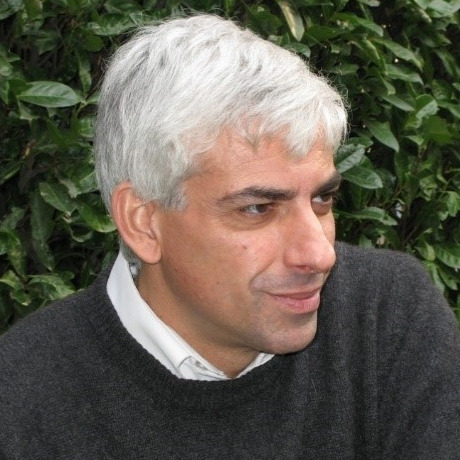
Prof. Dr. Fabio Ragaini
Dipartimento di Chimica, Università degli Studi di Milano, Milano, Italy;
Fabio Ragaini is a full Professor of Inorganic Chemistry at Milan University, where he did his complete career, except for a period as a visiting scientist at The Pennsylvania State University, with Prof. G. L. Geoffroy.
He was the Coordinator of the Interdivisional Group of Organometallic Chemistry of the Italian Chemical Society and a chairman of the “XI Congress of the Organometallic Group of the Italian Chemical Society (CoGICO2014)”, Milano 2014.
He is the author of 128 papers in scientific journals, a monograph entitled “Catalytic Reductive Carbonylation of Organic Nitro Compounds” (Kluwer Academic Publishers, 1997), 3 book chapters, and 3 patents. His works have collected more than 4300 citations (not including those of the monograph, whose number is not available). h-index = 42. He is in the list of the 100.000 most impacting scientists in all disciplines according to a balanced study published on PLOS Biology (Ioannidis, J. P. A.; Baas, J.; Klavans, R.; Boyack, K. W. "A standardized citation metrics author database annotated for scientific field" PLOS Biology 2019, 17, e3000384. DOI: 10.1371/journal.pbio.3000384).
His interests are mainly centered on organometallic chemistry and homogeneous catalysis, with a focus on reduction/carbonylation reactions of nitroarenes for the synthesis of both base (isocyanates, carbamates, ureas) and fine chemicals (nitrogen heterocycles) and on the synthesis and use of nitrogen ligands. Recently, he has also been involved in the development of cobalt and iron N-enriched graphitic catalysts.
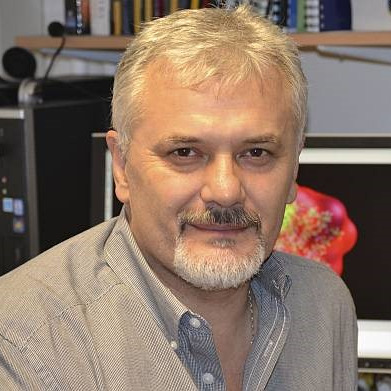
Prof. Dr. Mire Zloh
UCL School of Pharmacy, University College London, London, UK;
Mire Zloh was a Visiting Professor at the UCL School of Pharmacy until January 2021, when he took the position of a Teaching Fellow at the same institution. He holds the Emeritus Professor of Medicinal Chemistry with the University of Hertfordshire, where he was the Head of Pharmaceutical Chemistry and Research Professor from January 2013 until September 2017. He also acts as Innovation Advisor to the Dean of the Faculty of Pharmacy, University Business Academy in Novi Sad Serbia. His research interest is in the areas of computer-aided molecules, antimicrobial peptides, formulation design, and structural chemistry. Most notably, Prof. Zloh proposed that modulators of multidrug resistance might form complexes with substrates of efflux pumps to act as “escort” molecules and deliver drugs to the site of action, which may provide an additional route in the design of adjuvant therapies to treat infections by resistant bacteria. In efforts to develop polymer-based drug delivery systems, a method was developed to translate monomeric linear sequences into a fully atomistic model of a hyperbranched molecule. His research resulted in over 130 peer-reviewed articles (h- index 32).
- S1. General Organic Synthesis
- S2. Bioorganic, Medicinal and Natural Products Chemistry
- S3. Microwave Assisted Synthesis
- S4. Polymer and Supramolecular Chemistry
- S5. Computational Chemistry
Sponsors and Partners
organizer
sponsor


media partner
Dr. M. Pilar Vázquez-Tato. Universidade de Santiago de Compostela. Spain
pilar.vazquez.tato@usc.es
Mr. Ricky Guo
Ms. Kristine Wang
ecsoc@mdpi.com