The 2nd International Electronic Conference on Nutrients
IECN2022 is closed. Thank you for your participation.
The recordings of IECN2022 live sessions are available at:
https://sciforum.net/event/IECN2022#recordings
The accepted proceedings papers will probably be published as one dedicated volume in MDPI Biology and Life Sciences Forum journal (ISSN:2673-9976) after the conference.
After the conference, the Conference Committee will recommend manuscripts that may be included for publication in the Special Issue
The selected papers will be published in Nutrients with a 20% discount of the APC.
The IECN2022 winners have been announced at https://sciforum.net/event/IECN2022#awards
the chairs

Dear researchers,
We are pleased to announce the Second Electronic Conference in Nutrients. The conference edition will focus on Nutrition Support for Immunity and Countermeasure Effects on Infection, Inflammation, and Oxidative Stress. The immune system is complex, distributed throughout the body, and highly active. Appropriate nutrients are necessary for the varied cells of the immune system to function optimally and respond to injury, inflammation, oxidative stress, and invading viruses and bacteria. This conference will provide current trends and insights into nutritional immunology, and immunonutrition strategies to counter infection, inflammation, and oxidative stress.
We hope the community will share this enthusiasm and help to make this first edition a success—for many to come in the future.
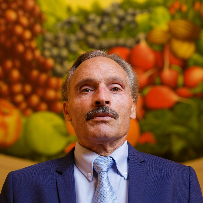
Prof. Dr. David C. Nieman
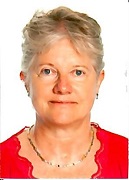
Dr. Leanne M. Redman
The Chairs of the IECN 2022
Conference Secretariat
Meet the Event Chairs

Important Dates

- Abstract submission deadlineFeb 23, 2022
- Abstract acceptance notificationFeb 23, 2022
- Full file submission deadlineFeb 28, 2022
- S1. Nutrition and Inflammation
- S2. Nutrition and Immunology
- S3. Nutrition and Infection
- S4. Nutrition and COVID-19
- S5. Nutrition and Oxidative Stress
Webinar 1
Nutrition, Gut and Immune Inflammation: Point of Views From Basic and Translational Science
Webinar 2
Breast Milk: A Source of Bioactive Compounds
Webinar 3
Nutrition Support for Immunity and Countermeasure Effects on Infection, Inflammation, and Oxidative Stress
- Abstract Acceptance Notification Deadline: 30th January 2022
-
Full Paper Submission Deadline Extension: 28th February 2022
-
Conference Awards Announcement: 30 April 2022
IECN 2022 Live Sessions Will Be Held
We are pleased to announce the live session of the IECN2022. Three FREE webinars will be held on 16th/23rd/25th March 2022. Please check the detailed information by clicking IECN 2022 Live Sessions on the left menu.
After the conference, the Conference Committee will recommend manuscripts that may be included for publication in the Special Issue:
https://www.mdpi.com/journal/nutrients/special_issues/2nd_International_Electronic_Conference_on_Nutrients
The selected papers will be published in Nutrients with a 20% discount of the APC.
Webinar 1
Nutrition, gut and immune inflammation: point of views from basic and translational science
Introduction: Increasing one’s intake of foods rich in nutrients is one of the preventative measures one can take against chronic inflammatory and metabolic diseases. However, very recent epidemiological data have shown conflicting results regarding how the consumption of nutrient-rich foods impacts on the risk of these diseases.
Beyond the mere caloric intake in a diet, a multitude of factors related to the individual exposure to the environment mediate the link between nutrition, inflammation, and metabolic diseases. This is the case of the gut microbiota, which is a pivotal player both in the metabolism of foods and in the systemic absorption of nutrients and pathogen inflammatory molecules. Additionally, the key role of the inflammasome has recently been highlighted; this is a system involved not only in fighting against pathogens, but also in metabolic complications. Furthermore, diet can also exert long-term inflammatory effects induced by the epigenetic effects of environmental factors.
Multiple arrays of circulating biomarkers developed during recent decades now mark all these pathogenic mechanisms, and their analysis in widely used epidemiological approaches indicates their value for risk estimation and prevention.
The aim of this session is to bring together international scientists from different backgrounds, discussing the relationship between nutrition, the gut, and inflammation in metabolic chronic diseases. We hope to provide a comprehensive update of evidence that will, in the future, offer a novel perspective of the diet that improve on current recommendations for the prevention of chronic inflammatory diseases.
Chaired by Dr. Andrea Baragetti
Date: 16 March 2022, 3:00 PM (CET)
Registration:

Schedule:
Speaker & Presentation Topic
|
|
Time (CET) |
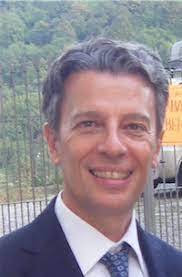 |
Prof. Paolo MagniDepartment of Pharmacological and Biomolecular Sciences, University of Milan, Italy Role of NRLP3 inflammasome activation in cardiometabolic diseases: genetic factors and nutritional modulation. |
3:00-3:20 pm |
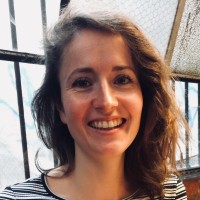 |
Dr. Siroon BekkeringRadboud University Medical Centre, Niemegen, the Netherlands Activation of trained immunity by diet-induced metabolic alteration. |
3:20-3:40 pm |
 |
Dr. Maura WalkerDepartment of Health Sciences, Program in Nutrition, Boston, U.S. Multi-omic correlates of diet and cardiometabolic health. |
3:40-4:00 pm |
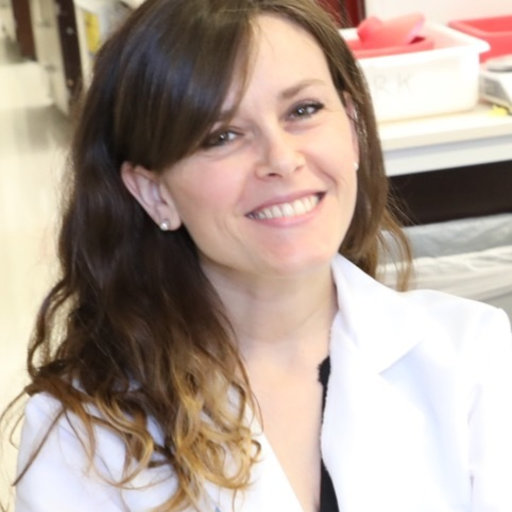 |
Dr. Sabrina TamburiniDepartment of Experimental Oncology (European Institute of Oncology; IEO); Milan, Italy Microbiome during development: what is the relevance of diet? |
4:00-4:20 pm |
Webinar 2
Breast milk: a source of bioactive compounds
Introduction: Breast milk is the biological fluid produced by the breasts of mammalian mothers in order to nourish infants and confer on them protection from disease until their own immune system can mature. Accordingly, the World Health Organization (WHO) recommends exclusive breastfeeding for the first 6 months of life, followed by continued breastfeeding with adequate complementary foods for up to 2 years or beyond, as mutually desired by mother and infant.
Breast milk composition varies between feeds, throughout the day, and between mothers. Interindividual variability has been attributed to genetic variation, maternal adiposity, and nutrition, among other factors. The composition of human milk is dynamic and changes throughout lactation.
The first form of milk produced by the mammary glands during the first 2–4 days after delivery is colostrum, which is produced in low volumes (300–400 mL/day) and has higher levels of protein and lower levels of carbohydrates and fat content than mature breast milk. Moreover, colostrum is richer in immunological components, such as immunoglobulins, lactoferrin, leucocytes, and oligosaccharides, suggesting that its primary functions are immunological rather than nutritional.
From days 4–5 after delivery, colostrum changes to transition milk, which is characterized by a higher yield (500–800 mL/day) and by lower protein and immunoglobulin content, accompanied by an increase in lactose, fat, and water-soluble vitamins to meet the growth demands of the infant.
Finally, mature milk remains relatively similar in composition 6 weeks after delivery. While 87% of breast milk is water, the remaining 13% is nutritional components and bioactive compounds that have beneficial non-nutritional functions. These latter compounds include a wide range of antimicrobial factors, microorganisms (which constitute the breast milk microbiota), cytokines, hormones, growth modulators, digestive enzymes, and many metabolites derived from the mother’s activity.
The aim of this session is to bring together international experts on the human milk immunoglobulinome, microbiome, and metabolome, among others, which could be of special relevance for the development and immunity of babies.
Chaired by Dr. Francisco J. Pérez-Cano
Date: 23 March 2022, 3:00 PM (CET)
Registration:
Schedule:
Speaker & Presentation Topic
|
|
Time (CET) |
|
|
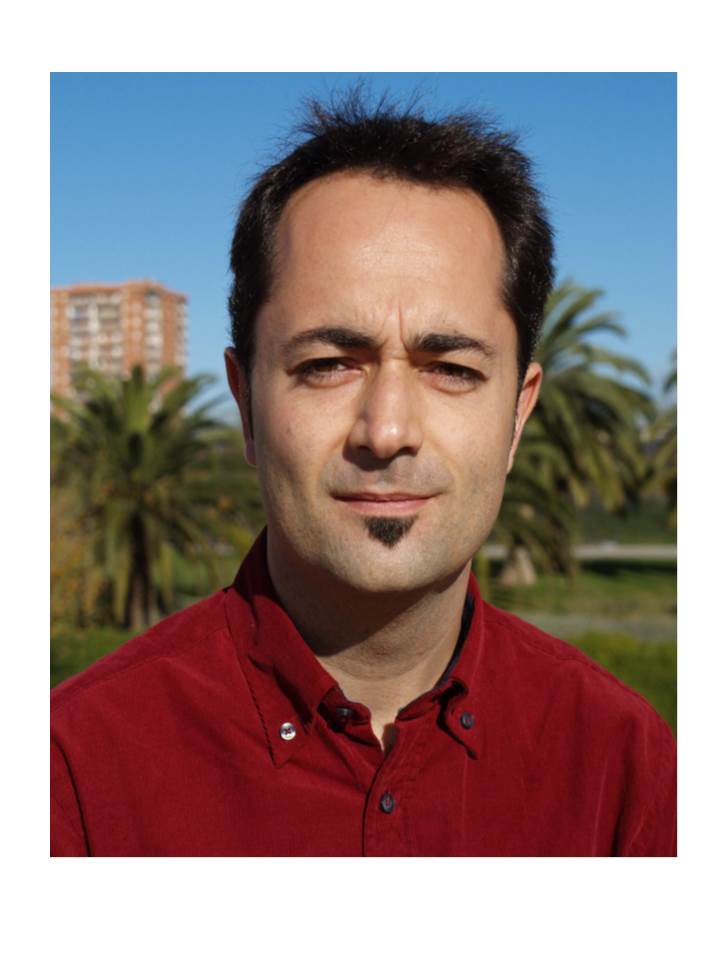
Dr. Francisco J Pérez CanoUniversity of Barcelona, Barcelona, Spain Breast milk immunoglobulinome and other immune factors. |
3:00-3:20 pm |
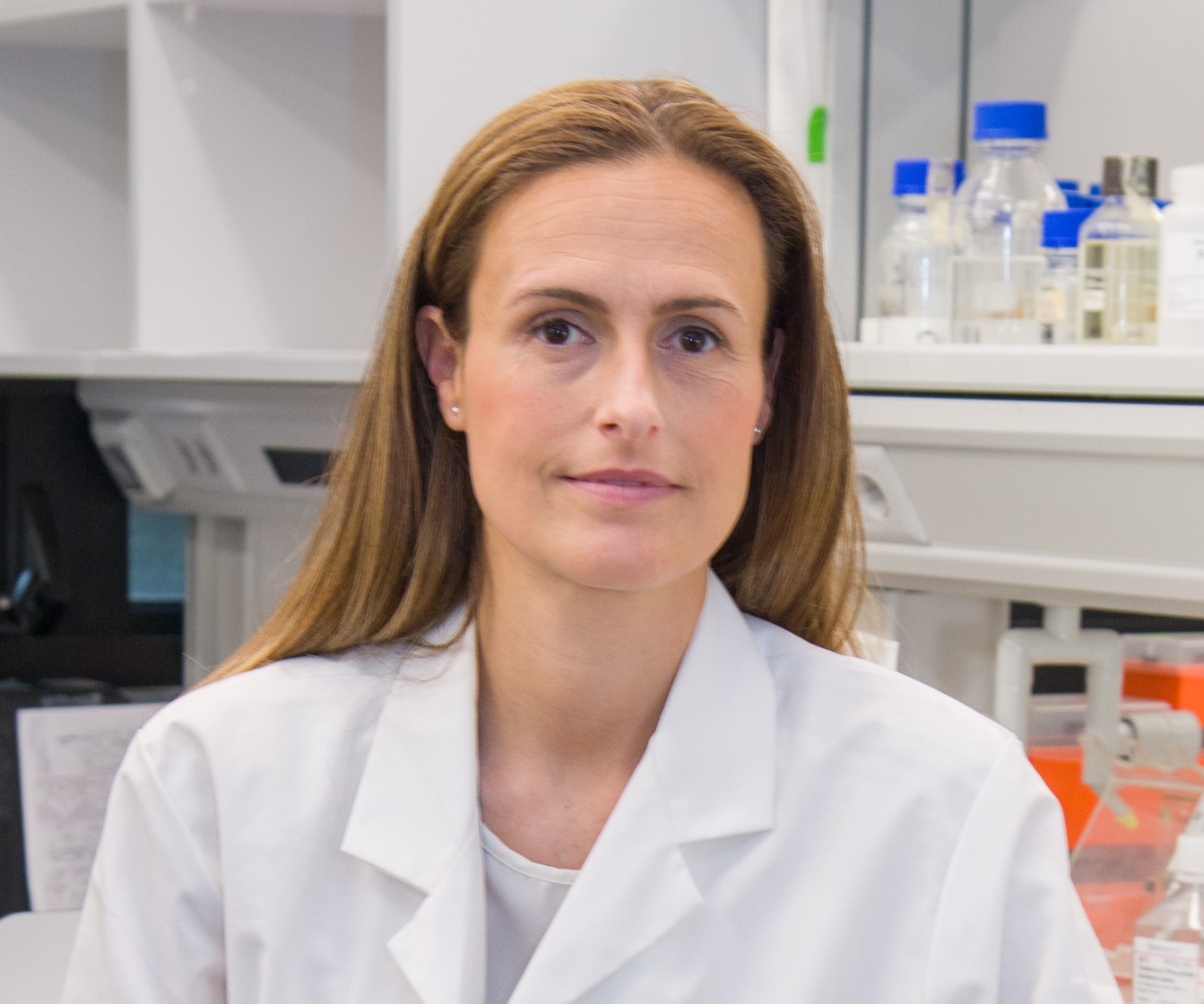 |
Dr. Maria Carmen ColladoIATA-CSIC, Valencia, Spain Breast milk microbiome: beyond bacteria, what do we know? |
3:20-3:40 pm |
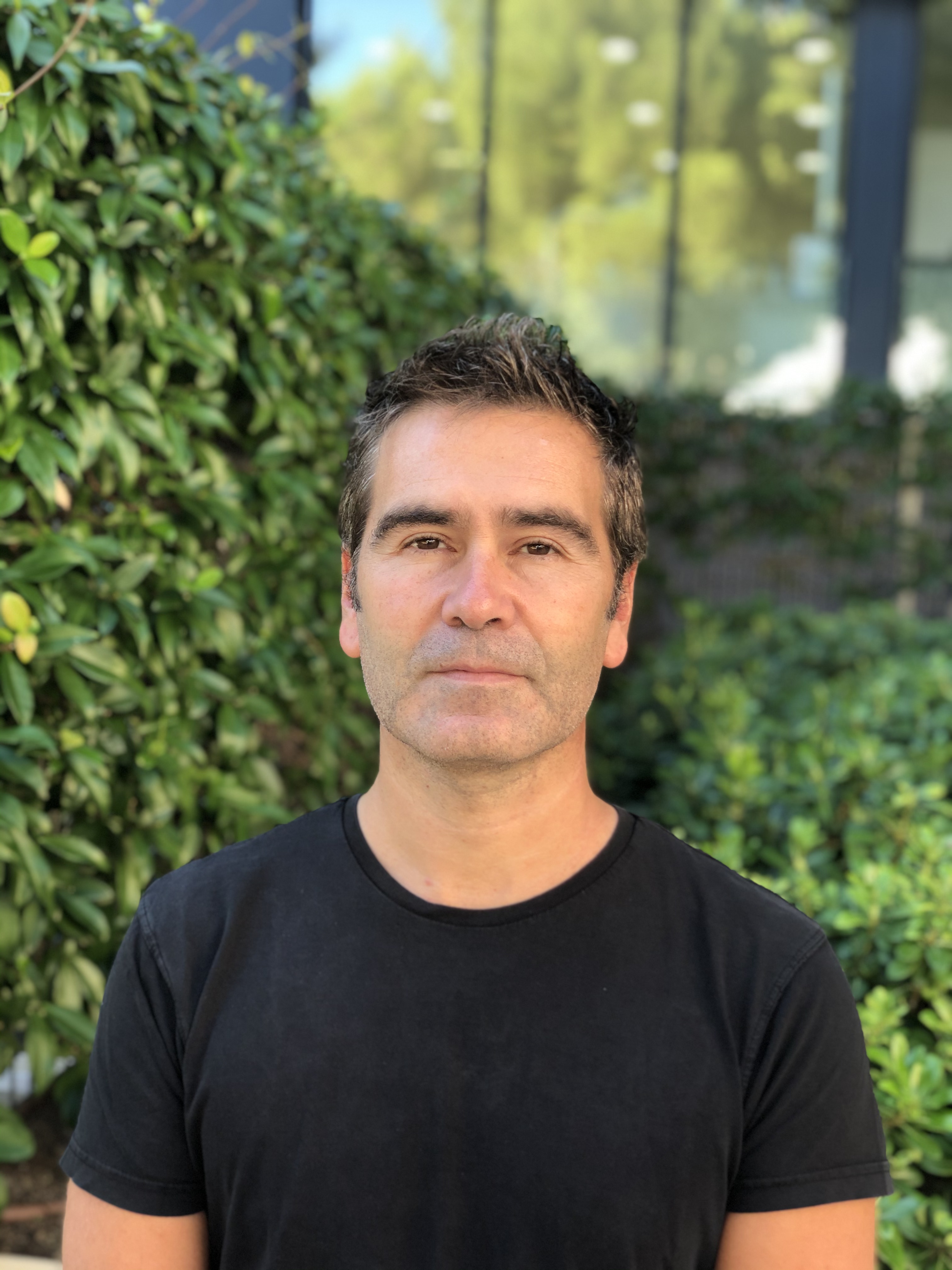 |
Dr. Carles Lerin.Institut de Recerca Sant Joan de Déu, Barcelona, Spain Breast milk metabolome. |
3:40-4:00 pm |
Webinar 3
Nutrition Support for Immunity and Countermeasure Effects on Infection, Inflammation, and Oxidative Stress
Introduction: The immune system is complex, distributed throughout the body, and highly active. Appropriate nutrients are necessary for the varied cells of the immune system to function optimally and respond to injury, inflammation, oxidative stress, and invading viruses and bacteria. This webinar by leading experts will provide current trends and insights into nutritional immunology, and immunonutrition strategies to mitigate inflammation, oxidative stress, and risk for respiratory infections, such as COVID-19.
Chaired by Prof. Dr. David C. Nieman and Dr. Leanne M. Redman
Date: 25 March 2022, 3:00 PM (CET)
Registration:
Schedule:
Speaker & Presentation Topic
|
|
Time (CET) |
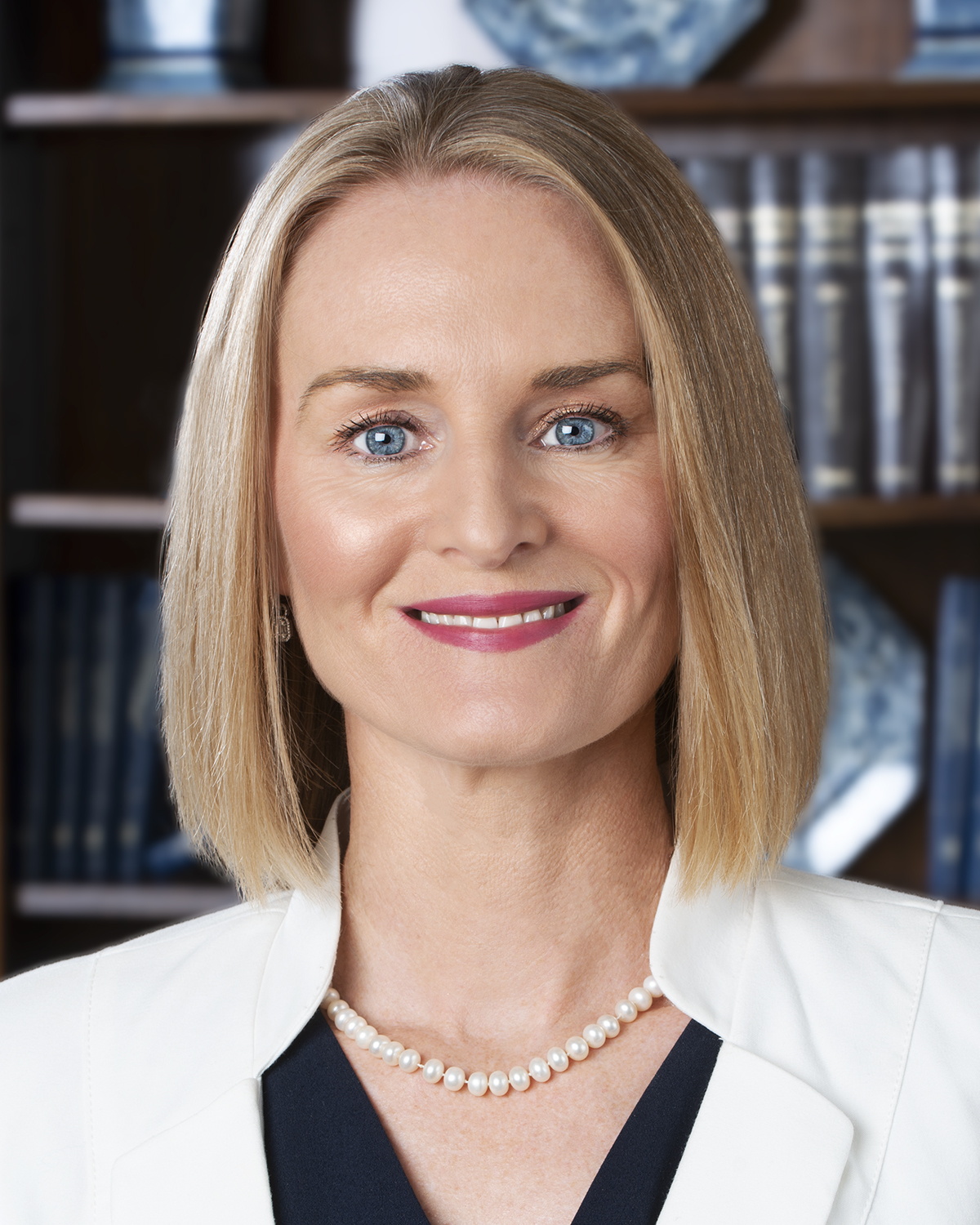 |
Prof. Dr. Leanne M. RedmanClinical Sciences Division, Pennington Biomedical Research Center, U.S. Introduction to the Webinar |
3:00-3:10 pm |
|
|
Prof. Dr. David C. NiemanDepartment of Biology, Appalachian State University, Human Performance Laboratory, North Carolina Research Campus, U.S. COVID-19 Mitigation: Efficacy of Nutrition, Exercise, and Lifestyle Medicine Approaches |
3:10-3:30 pm |
 |
Prof. Dr. Philip C. CalderHuman Development & Health, Faculty of Medicine, University of Southampton, U.K. Obesity, Immunity, and COVID-19 |
3:30-3:50 pm |
|
|
Prof. Dr. Francisca SerraLaboratory of Molecular Biology, Nutrition and Biotechnology, NUO Group, Universitat de les Illes Balears, Spain Nutrition and Oxidative Stress: Genetic-Related Insights |
3:50-4:10 pm |
|
|
Prof. Dr. Margaret P. RaymanDepartment of Nutritional Sciences, Faculty of Health and Medical Sciences, University of Surrey, U.K. Selenium and Selenoproteins in Viral Infection with Potential Relevance to COVID-19 |
4:10-4:30 pm |
|
Photo: ©RWTH Aachen Uniklinik |
Prof. Dr. Lothar RinkInstitute of Immunology, RWTH Aachen University, Germany Zinc and Immunosenescence in COVID-19 |
4:30-4:50 pm |
|
|
Prof. Dr. Simin N. MeydaniTufts Friedman School of Nutrition Science and Policy, Tufts Graduate School of Biomedical Sciences, Tufts University, U.S. Modulation of Immune and Inflammatory Responses by Fruits and Vegetables: Implications for Metabolic Disorders and Healthy Aging |
4:50-5:10 pm |